
Elementum 3D headquarters relocation is complete
On April 25, Elementum 3D officially consolidated its headquarters to a single location at 2700 S. Main St., Erie, Colorado. The nearly 11,000-square-foot facility had previously been used as a secondary site for manufacturing, post-processing, and development of new commercial products and services.
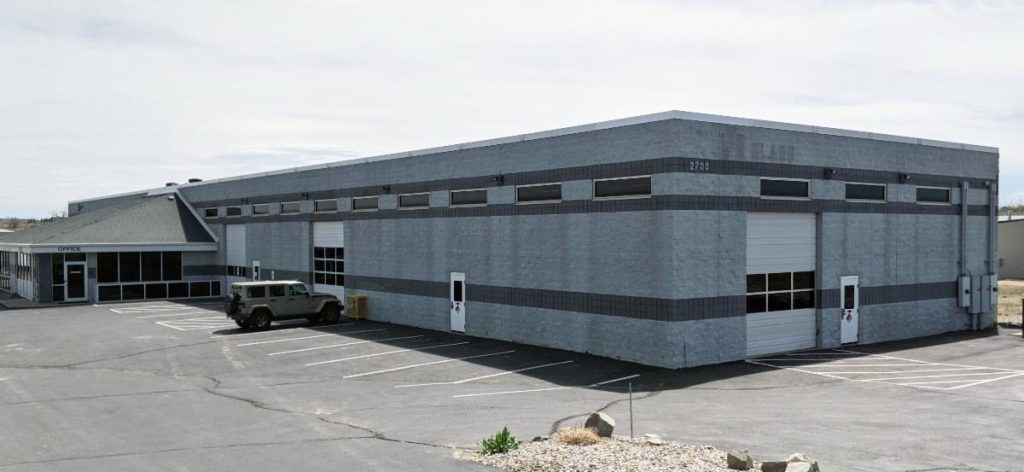
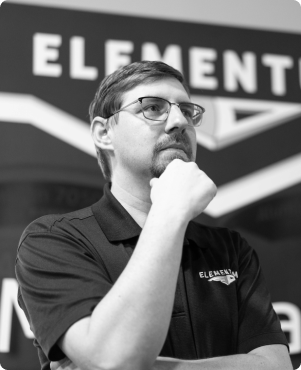
“Elementum 3D has had a presence in Erie since 2014, and we are very excited to consolidate our operations into one location,” said Dr. Jacob Nuechterlein, President and Founder of Elementum 3D, Inc. “We are actively involving our colleagues in the transition process to develop a space that streamlines workflow, strengthens relationships, and provides the room we need to grow.”
Bringing together two Erie-based locations under one roof will expand opportunities for cross-team collaboration while fostering a culture of innovation and improving operational efficiency. The new corporate headquarters features a 30% increase in manufacturing workspace, providing the infrastructure needed to sustain current momentum and support continued growth across both U.S. and international markets.
“We believe it’s in the best strategic interest of the company to make this move, which supports our strategy to provide customers with the highest-performance materials in an efficient and repeatable manner,” Dr. Nuechterlein added.
This relocation reflects the evolving needs of Elementum 3D’s dynamic business and operations. It represents a key step in the company’s growth strategy—positioning it to better accommodate future expansion while advancing the adoption of additive manufacturing technologies.

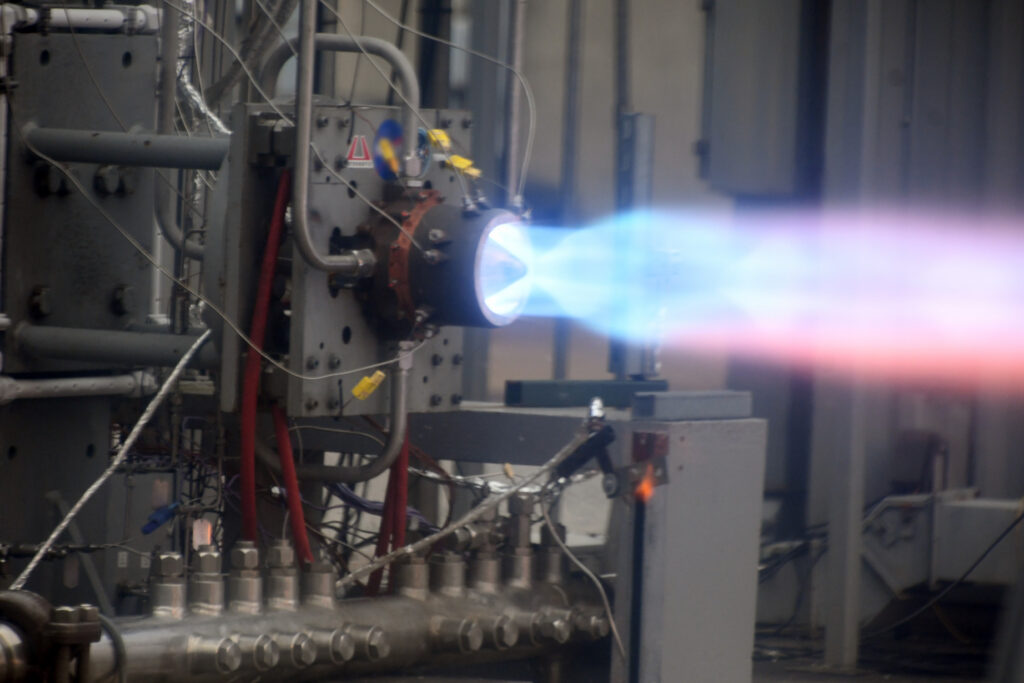
Astrobotic hot-fire tests find success with co-developed PermiAM technology
Congratulations to Astrobotic on completing eight rocket engine hot-fire tests that ran a total of 470 “record breaking” seconds. The success of their two Chakram rotating detonation rocket engine (RDRE) prototypes demonstrate how materials innovation like PermiAM and Astrobotic’s cutting-edge engine designs reinforce each other to optimize space travel performance and payload capacity.
PermiAM is a patented process co-developed by Elementum 3D and Astrobotic. The PermiAM process allows adjustments in density or porosity in preset areas during printing. That means the process allows manufacturers the ease of engineering porous sections for cooling and fluid flow in specific areas of a printed part. Controlling porosity also helps handle heat, improve stability, and boost efficiency, which are three of the biggest challenges in applications like propulsion and thermal management.
The development and testing of the PermiAM injector design and applications integrated into the Chakram rotating detonation engine prototypes were supported by two NASA SBIR contracts and a Space Act Agreement with NASA Marshall.
To learn more about PermiAM technology, visit https://www.elementum3d.com/purposeful-porosity-a-peek-into-permiam-technology/ or contact us at sales@elementum3d.com.
- Artemis II Launches With 3D Printing Onboard, and a Much Bigger Role Ahead
- From Machines to Mindsets: Why Additive Manufacturing Education Must Start With Teaching, Not Tools
- US Army opens AM facility with more than 50 3D printers
- 3D Printing’s Chicken-and-Egg Problem: No Demand Without Scale, No Scale Without Demand
- University of Utah Joins NASA-Backed Effort to Advance Additive Manufacturing for Aerospace and Propulsion Systems
- EOS Buys Metalpine, but What’s Behind the Move?
- Startup secures $30 million contract to 3D print jet engines for the USAF — company to test and develop small turbojets for drones and long-range weapons
- Butterfly-inspired lattice could make aircraft lighter and six times more impact-resistant
- BMW is now 3D printing parts for production cars
- L3Harris uses additive manufacturing to cut satellite thruster lead times by up to 12 months
- Additive Manufacturing as a Strategic Link Between Defense and Energy
- Astrobotic Tests Rocket Engine Made with Elementum 3D Materials
- The future of additive manufacturing in defense
- Beyond the Mold: How 3D Printing is Building the Next Generation of Nuclear Power
- Laser additive manufacturing of metallic lattice structures: material-structure-property concept, and future perspective
- AMA: Energy 2026: [INTERVIEW] How Large-Scale Metal AM is Helping Energy OEMs Break Free from Forging and Casting Delays
- The Path to Sustainable, Adaptive and Additive-Enabled Manufacturing
- Resetting the Role of AM in Defense, and the Role of Defense in the Economy